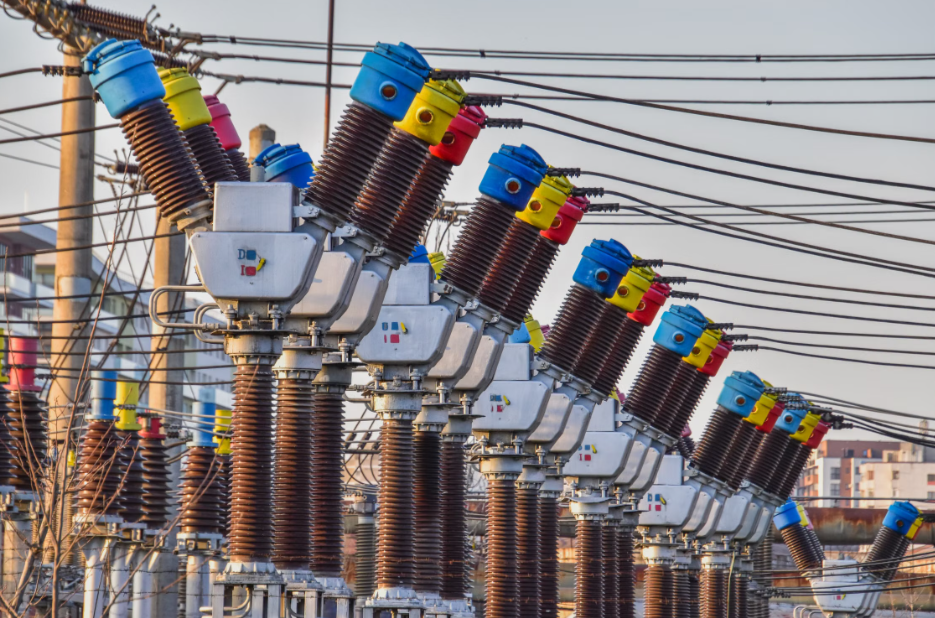
A 3000 kVA transformer is a high-capacity electrical transformer designed to transfer power efficiently between different voltage levels in industrial, commercial, and utility applications. With a power rating of 3 MVA (3,000 kilovolt-amperes), these transformers are commonly installed in manufacturing facilities, commercial complexes, substations, renewable energy projects, and large infrastructure developments where reliable and continuous power distribution is essential.
Selecting the right 3000 kVA transformer involves more than choosing the appropriate power capacity. Factors such as voltage ratings, cooling methods, insulation systems, efficiency, impedance, and compliance with international standards all influence the transformer’s performance and service life. This comprehensive guide explores everything you need to know about a 3000 kVA transformer, including its specifications, components, applications, installation requirements, maintenance practices, and key benefits.
What Is a 3000 kVA Transformer?
Before reviewing its technical specifications, it is important to understand the role of a 3000 kVA transformer in an electrical distribution system. These transformers are engineered to step voltage up or down while safely transferring large amounts of electrical energy with minimal losses.
A 3000 kVA transformer is typically manufactured as a three-phase transformer and is available in both oil-immersed and dry-type designs. It is capable of supplying heavy electrical loads continuously, making it ideal for facilities that require stable and uninterrupted power.
Depending on the application, the transformer can be customized to meet different voltage ratings, cooling systems, and environmental conditions while maintaining high operational efficiency.
Typical 3000 kVA Transformer Specifications
Although specifications may vary by manufacturer and project requirements, most 3000 kVA transformers share several common technical characteristics. Understanding these specifications helps engineers and buyers choose the right transformer for their electrical system.
Power Rating
The transformer has a rated apparent power of 3000 kVA, making it suitable for medium to large electrical installations. This capacity allows it to support multiple industrial machines, commercial facilities, or utility distribution networks.
Primary Voltage
The primary voltage depends on the incoming electrical supply. Common primary voltage options include 11 kV, 22 kV, 33 kV, and 66 kV, although custom voltage ratings are available for specialized applications.
Secondary Voltage
The secondary voltage is selected based on the electrical equipment being powered. Common secondary voltages include 415 V, 400 V, 690 V, 6.6 kV, and 11 kV, allowing the transformer to serve a wide range of industrial and commercial applications.
Frequency
Most 3000 kVA transformers are designed to operate at either 50 Hz or 60 Hz, depending on regional electrical standards and utility requirements.
Phase Configuration
Large-capacity transformers are generally manufactured as three-phase transformers because three-phase power provides greater efficiency and is widely used in industrial and commercial electrical systems.
Construction Features
The durability and efficiency of a transformer depend heavily on its construction quality. Modern 3000 kVA transformers are manufactured using premium materials to ensure reliable operation under demanding conditions.
High-Quality Core
The transformer core is usually constructed from cold-rolled grain-oriented (CRGO) silicon steel laminations. This material reduces core losses, improves efficiency, and minimizes noise during operation.
Copper or Aluminum Windings
Transformer windings are manufactured using either copper or aluminum conductors. Copper windings are often preferred because they provide better electrical conductivity, higher mechanical strength, and improved thermal performance.
Advanced Insulation System
A high-quality insulation system separates the transformer windings and prevents electrical breakdown. Proper insulation improves safety while extending the operational life of the transformer.
Heavy-Duty Tank Construction
Oil-filled transformers are enclosed within durable steel tanks designed to withstand environmental conditions, internal pressure, and transportation stresses while protecting internal components.
Cooling Methods
Efficient cooling is essential because transformers generate heat during operation. Proper cooling maintains safe operating temperatures and extends the lifespan of the equipment.
ONAN (Oil Natural Air Natural)
ONAN cooling uses the natural circulation of insulating oil and surrounding air to remove heat. It is one of the most common cooling methods for medium-capacity transformers due to its simplicity and reliability.
ONAF (Oil Natural Air Forced)
When additional cooling is required, ONAF systems use cooling fans to increase heat dissipation. This method allows the transformer to operate efficiently under higher load conditions.
Dry-Type Air Cooling
Dry-type transformers rely on natural or forced air circulation instead of insulating oil. These transformers are commonly installed inside buildings where fire safety and environmental considerations are priorities.
Electrical Characteristics
The electrical performance of a transformer determines how effectively it operates within an electrical network. Several technical characteristics influence efficiency, voltage stability, and system protection.
High Efficiency
Modern 3000 kVA transformers typically achieve efficiency levels above 98%, minimizing energy losses and reducing operating costs throughout their service life.
Stable Voltage Regulation
Good voltage regulation ensures consistent output voltage even when electrical loads change. Stable voltage improves equipment performance and protects sensitive electrical devices.
Appropriate Impedance
Transformer impedance usually falls between 6% and 8%, helping limit fault current while maintaining proper system stability during operation.
Strong Short-Circuit Withstand Capability
Transformers are engineered to withstand the mechanical forces generated during electrical faults. Robust construction protects the windings and core from damage during short-circuit conditions.
Protection Features
Modern transformers include several protective systems designed to improve operational safety and reduce the risk of equipment failure. These features help identify abnormal conditions before significant damage occurs.
Temperature Monitoring
Temperature sensors continuously monitor winding and oil temperatures during operation. Early warning systems allow operators to address overheating before it affects transformer performance.
Buchholz Relay
Oil-filled transformers often include a Buchholz relay that detects internal faults by monitoring gas accumulation inside the transformer tank. This provides early fault detection and improves equipment protection.
Pressure Relief Device
Pressure relief devices protect the transformer tank by releasing excessive internal pressure caused by abnormal operating conditions or internal faults.
Oil Level Indicator
Maintaining the correct oil level is essential for cooling and insulation. Oil level indicators allow maintenance personnel to verify proper operating conditions during routine inspections.
Applications of a 3000 kVA Transformer
A 3000 kVA transformer is suitable for many industries because of its ability to deliver reliable power under demanding operating conditions. Its flexibility makes it a preferred choice for numerous electrical distribution projects.
Industrial Manufacturing
Manufacturing facilities use 3000 kVA transformers to power production equipment, automation systems, conveyors, compressors, and heavy machinery that require continuous electrical supply.
Commercial Buildings
Large office buildings, shopping malls, hotels, hospitals, and convention centers depend on high-capacity transformers to support lighting, HVAC systems, elevators, and other essential electrical equipment.
Utility Distribution Networks
Electrical utilities install 3000 kVA transformers within substations to distribute electricity safely between transmission and distribution systems while maintaining voltage stability.
Renewable Energy Projects
Solar farms and wind energy installations frequently utilize these transformers to connect generated electricity to the utility grid while ensuring efficient power transfer.
Infrastructure Developments
Transportation facilities, airports, water treatment plants, and public infrastructure projects rely on dependable transformers to support uninterrupted operations.
Installation Requirements
Correct installation is essential for ensuring safe transformer operation and maximizing equipment lifespan. Every installation should follow engineering recommendations and local electrical regulations.
Prepare a Stable Foundation
The transformer should be installed on a reinforced concrete foundation capable of supporting its weight while preventing settlement and vibration during operation.
Maintain Adequate Ventilation
Proper airflow around the transformer helps dissipate heat efficiently. Sufficient clearance also improves access for inspections and routine maintenance.
Install an Effective Grounding System
Grounding protects both electrical equipment and personnel by safely carrying fault currents away from the transformer during abnormal operating conditions.
Complete Proper Cable Termination
Incoming and outgoing electrical cables should be installed according to engineering drawings and manufacturer specifications. Correct cable termination improves reliability while reducing electrical losses.
Maintenance Practices
Routine maintenance is one of the most effective ways to maximize transformer reliability and prevent unexpected failures. Preventive maintenance also reduces repair costs and extends equipment lifespan.
Inspect the Transformer Regularly
Routine visual inspections help identify oil leaks, corrosion, loose connections, or physical damage before they develop into larger problems.
Monitor Insulating Oil Quality
For oil-filled transformers, periodic oil testing measures moisture content, dielectric strength, and contamination levels. Maintaining high-quality insulating oil improves both cooling and electrical insulation.
Test Electrical Components
Electrical testing, including insulation resistance and winding resistance measurements, helps verify the overall health of the transformer and identifies potential issues early.
Clean External Components
Keeping bushings, cooling fins, and ventilation areas free from dust and debris helps improve cooling performance and maintain efficient transformer operation.
Advantages of Using a 3000 kVA Transformer
A 3000 kVA transformer offers several operational and economic benefits that make it a reliable solution for medium and large-scale electrical installations.
Supports High Electrical Loads
The transformer is capable of supplying significant electrical demand, making it suitable for industrial plants, commercial developments, and utility infrastructure.
Improves Energy Efficiency
High operating efficiency reduces electrical losses throughout the transformer’s service life, lowering energy costs and improving overall system performance.
Provides Reliable Power Distribution
Stable voltage regulation and robust construction ensure continuous power delivery even during changing load conditions.
Offers Long Service Life
With proper installation and routine maintenance, a quality 3000 kVA transformer can operate reliably for several decades, providing excellent long-term value.
Factors to Consider When Choosing a 3000 kVA Transformer
Selecting the right transformer requires evaluating several technical and environmental factors to ensure long-term performance and compatibility with the electrical system.
Understand Current and Future Load Requirements
Choosing the correct transformer capacity ensures reliable operation today while allowing room for future expansion as electrical demand increases.
Consider Environmental Conditions
Installation location, ambient temperature, humidity, and altitude all influence transformer performance. Selecting the appropriate design improves reliability in challenging environments.
Compare Cooling Methods
The cooling system should match the operating conditions and installation environment. Oil-filled transformers are common for outdoor installations, while dry-type transformers are often preferred indoors.
Verify Industry Standards
A quality transformer should comply with recognized standards such as IEC, ANSI, IEEE, or IS specifications. Compliance ensures safety, performance, and compatibility with modern electrical systems.
Conclusion
A 3000 kVA transformer is an essential component for delivering reliable electrical power in industrial, commercial, utility, and infrastructure applications. Its robust construction, high efficiency, and advanced protection systems make it a dependable solution for facilities requiring continuous and stable power distribution.
When selecting a 3000 kVA transformer, it is important to evaluate technical specifications, voltage ratings, cooling methods, installation conditions, and future load requirements. Investing in a high-quality transformer not only improves electrical reliability but also reduces maintenance costs, enhances energy efficiency, and supports long-term operational success. With proper installation and regular maintenance, a 3000 kVA transformer can provide dependable performance for decades while meeting the growing power demands of modern industries.