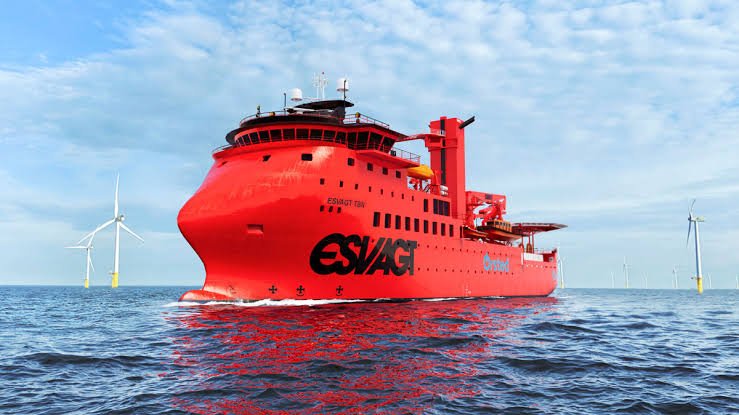
A modern sov vessel is far more than a transport ship. In the offshore wind and offshore energy sectors, it functions as a floating workplace, hotel, logistics hub, and safety platform for technicians working far from shore. As offshore wind farms move into deeper waters and more remote locations, the need for reliable accommodation has become just as important as efficient transfer systems, storage capacity, and marine engineering.
For offshore technicians, life onboard a sov vessel can last several days or even weeks depending on the project schedule. During that time, they need clean cabins, nutritious meals, medical support, recreational areas, internet access, laundry facilities, and quiet spaces to rest between demanding shifts. Good accommodation directly affects worker wellbeing, productivity, morale, and safety. When technicians are rested, comfortable, and properly supported, they can perform complex maintenance tasks more efficiently in challenging offshore environments.
This article explains how sov vessel accommodation works, what life is like onboard, and why these vessels are essential for offshore wind operations, turbine maintenance, and long-term offshore support.
What Is an SOV Vessel and Why Accommodation Matters
An sov vessel, also known as a Service Operation Vessel, is specially designed to support offshore technicians, engineers, and crew members during offshore wind farm operations. Unlike smaller crew transfer vessels that usually make daily trips from port, an sov vessel stays close to the offshore site for extended periods. This allows technicians to live onboard and travel quickly to turbines, substations, and other offshore structures when maintenance or inspection work is required.
Accommodation is one of the most important features of an sov vessel because offshore technicians need a stable and comfortable living environment after long work shifts. These workers often face strong winds, rough seas, demanding safety procedures, and technically complex tasks. After completing turbine servicing or electrical maintenance, they return to the vessel to rest, eat, communicate with family, and prepare for the next shift. Therefore, the quality of accommodation can influence both human performance and operational success.
A typical sov vessel includes single or shared cabins, ensuite bathrooms, dining rooms, lounges, gyms, changing areas, offices, workshops, and medical facilities. Many vessels also feature motion-compensated gangways, boat landings, helideck options, storage areas, and advanced control systems. However, the accommodation section is what turns the vessel into a practical offshore home. It helps reduce fatigue and supports a healthier work-life balance during rotations.
In offshore wind operations, downtime can be extremely costly. If technicians are based far away onshore, weather windows may be missed and transfer times may increase. A well-equipped sov vessel keeps skilled teams close to the assets, allowing faster response times and more efficient maintenance planning. As a result, accommodation is not only about comfort; it is also a strategic part of offshore project performance.
Cabin Design, Sleeping Areas, and Personal Comfort
Cabin design plays a major role in the onboard experience of offshore technicians. Since workers may spend many nights on an sov vessel, sleeping areas must provide privacy, comfort, and protection from noise and vibration. Modern vessels are increasingly designed with hotel-style standards, offering clean layouts, good lighting, climate control, storage space, and comfortable beds. Some vessels provide single cabins for technicians, while others use twin cabins depending on the size of the vessel and the project requirements.
A comfortable cabin helps technicians recover physically and mentally after demanding offshore work. Offshore shifts can involve climbing, lifting, electrical inspections, mechanical repairs, and working at height inside turbine structures. Without quality rest, fatigue can become a serious safety concern. For this reason, an sov vessel is usually built with careful attention to noise reduction, ventilation, mattress quality, and blackout curtains. These details may seem simple, but they make a major difference when workers need proper sleep in a moving marine environment.
Personal comfort also depends on practical features such as ensuite bathrooms, lockers, charging points, desks, and reliable Wi-Fi. Offshore technicians often spend weeks away from home, so the ability to call family, watch entertainment, or manage personal tasks online can greatly improve morale. In addition, clean bathroom facilities and regular housekeeping help maintain hygiene and reduce stress during long rotations.
Another important factor is motion comfort. Although an sov vessel is larger and more stable than many smaller offshore vessels, it still operates in open sea conditions. Good vessel design, dynamic positioning systems, stabilizers, and smart internal layouts can reduce the impact of motion on daily life. Cabins are often positioned to limit discomfort and improve rest quality. When workers sleep better, they are more alert during transfer operations and turbine maintenance work.
Overall, cabin accommodation is not just a convenience. It is a core part of offshore safety culture. A technician who can sleep well, store belongings properly, and enjoy personal privacy is more likely to remain focused, healthy, and productive throughout the offshore campaign.
Dining, Recreation, and Daily Life Onboard
Daily life on an sov vessel follows a structured routine built around safety briefings, work shifts, weather conditions, turbine access, meals, rest, and recreation. Because offshore technicians work in a demanding environment, food quality and social spaces are extremely important. A good galley and dining area provide balanced meals that support energy, concentration, and physical performance. Breakfast, lunch, dinner, and snacks are usually planned to match shift patterns, ensuring that both day-shift and night-shift teams have access to proper nutrition.
The dining room is often one of the main social areas onboard. It gives technicians, marine crew, engineers, and project staff a place to relax and communicate outside formal work duties. On a long offshore rotation, this sense of community is valuable. People working on an sov vessel may come from different companies, countries, and technical backgrounds, so shared meals help build teamwork and reduce isolation. A positive social environment can improve morale and support better communication during operations.
Recreation facilities vary depending on vessel size and client requirements. Many modern vessels include lounges, television rooms, gaming areas, gyms, reading spaces, and sometimes cinema-style rooms. Fitness areas are especially useful because offshore technicians may want to maintain strength, mobility, and general health while away from shore. However, recreation is not only about entertainment. It also helps workers decompress after high-pressure tasks and maintain mental wellbeing.
Laundry rooms, changing facilities, drying rooms, and storage areas also shape daily life. Offshore work clothing can become wet, oily, or dirty, especially during maintenance operations. A well-designed sov vessel provides dedicated spaces for personal protective equipment, workwear, and clean clothing. This separation between work zones and living zones improves hygiene and comfort.
Internet access has become another essential feature. Although offshore connectivity can vary, many operators now recognize that communication with family and access to online services are important for crew welfare. For technicians spending extended periods offshore, the ability to stay connected can reduce stress and improve overall satisfaction. Therefore, dining, recreation, and social infrastructure are central to the modern sov vessel accommodation experience.
Workspaces, Safety Facilities, and Technician Support
While accommodation focuses on rest and comfort, an sov vessel must also support the technical side of offshore operations. Technicians need offices, meeting rooms, planning areas, workshops, spare parts storage, briefing rooms, and safety facilities. These spaces allow teams to prepare for daily turbine visits, review weather windows, analyze maintenance data, and coordinate with marine crew and control centers.
Before technicians transfer to turbines, they usually attend toolbox talks and safety briefings. These meetings cover weather conditions, task plans, hazards, emergency procedures, lifting operations, and communication protocols. A well-equipped sov vessel includes dedicated meeting rooms with screens, digital systems, and enough seating for project teams. This helps create a professional environment where planning can be done clearly and efficiently.
Workshops and storage areas are equally important. Offshore wind turbine maintenance requires tools, replacement parts, lubricants, safety equipment, electrical components, and mechanical supplies. Keeping these materials onboard reduces the need for frequent port calls and allows technicians to complete more jobs during each offshore campaign. A properly organized sov vessel improves workflow by making tools and parts easier to access, track, and maintain.
Safety facilities are another major part of onboard support. A modern sov vessel typically includes medical rooms, emergency response equipment, fire safety systems, rescue boats, life-saving appliances, and evacuation procedures. Since technicians work in remote offshore areas, immediate medical and emergency support is critical. Even minor injuries must be treated quickly, while serious incidents require coordinated response planning.
The vessel’s motion-compensated gangway is also a key feature for technician support. It allows safer walk-to-work transfers from the sov vessel to offshore turbines or platforms. This system compensates for vessel movement, helping technicians transfer more safely in challenging sea conditions. When combined with good accommodation, efficient planning spaces, and strong safety systems, the vessel becomes a complete offshore support base.
In this way, an sov vessel is not just a place to sleep. It is a highly organized operational center where accommodation, engineering, logistics, safety, and human welfare work together.
Read Also: Top Fantastic Travel Attractions in Toronto
Mental Wellbeing, Rotation Life, and Crew Welfare
Life onboard an sov vessel can be rewarding, but it also comes with challenges. Offshore technicians spend time away from family, work in isolated environments, and depend on strict schedules influenced by weather and operational demands. For this reason, mental wellbeing and crew welfare are now major priorities in offshore vessel design and management.
Rotations vary by company and project, but technicians may spend one or two weeks onboard before returning home. During this period, routine becomes very important. Regular meals, clean cabins, predictable rest periods, and access to recreation help create stability. A comfortable sov vessel reduces the feeling of isolation by providing spaces where workers can socialize, exercise, relax, and maintain personal routines.
Good welfare also depends on respect for rest hours. Offshore operations can be intense, especially when weather windows are short and maintenance tasks are urgent. However, fatigue management is essential. Vessel managers and project planners must ensure that technicians have enough recovery time between shifts. Proper accommodation supports this by offering quiet cabins, comfortable lounges, and organized schedules.
Privacy is another important part of mental wellbeing. Even in a close offshore community, technicians need personal space. Single cabins, quiet rooms, and respectful onboard culture help people recharge. Additionally, access to communication tools allows workers to stay connected with family and friends. This can make long offshore stays more manageable.
Modern offshore companies increasingly understand that welfare is linked to performance. A technician who feels supported onboard is more likely to work safely, communicate clearly, and remain engaged during the project. Therefore, the accommodation quality of an sov vessel is not only a human benefit but also a business advantage. Better living conditions can support retention, reduce fatigue-related risks, and improve the overall efficiency of offshore wind farm maintenance.
FAQs About SOV Vessel Accommodation
What does SOV vessel mean?
An sov vessel is a Service Operation Vessel used mainly to support offshore wind farm operations. It provides accommodation, logistics, workshops, storage, and safe transfer systems for offshore technicians and marine crew.
How long do technicians stay on an SOV vessel?
Technicians may stay onboard for several days or weeks depending on the project, company rotation, weather conditions, and offshore maintenance schedule. The sov vessel allows them to remain close to offshore assets instead of traveling from shore every day.
What facilities are available onboard an SOV vessel?
A modern sov vessel usually includes cabins, bathrooms, dining areas, lounges, gyms, laundry rooms, offices, meeting rooms, workshops, medical rooms, and storage areas. Some vessels also include advanced transfer systems and enhanced recreation facilities.
Why is accommodation important on an SOV vessel?
Accommodation is important because offshore technicians need proper rest, food, hygiene, privacy, and recreation between demanding work shifts. Good living conditions improve safety, morale, focus, and productivity.
Is life onboard an SOV vessel comfortable?
Life onboard an sov vessel can be comfortable when the vessel is well designed and properly managed. Modern vessels often provide hotel-style cabins, good food, internet access, recreation spaces, and organized daily routines.
Conclusion
A modern sov vessel is one of the most important assets in offshore wind and offshore energy operations. It allows technicians to live close to offshore sites, reduces transfer time, improves maintenance efficiency, and supports safer work in challenging marine environments. However, the true value of an sov vessel is not limited to logistics or engineering. Its accommodation facilities play a central role in keeping offshore technicians rested, healthy, motivated, and ready for complex tasks.
From comfortable cabins and nutritious meals to recreation areas, medical rooms, workspaces, and safety systems, every part of the accommodation design contributes to life onboard. As offshore wind farms continue to expand into remote waters, the demand for high-quality sov vessel accommodation will only grow. For technicians, these vessels are not just ships; they are offshore homes, workplaces, and support centers that make modern offshore maintenance possible.