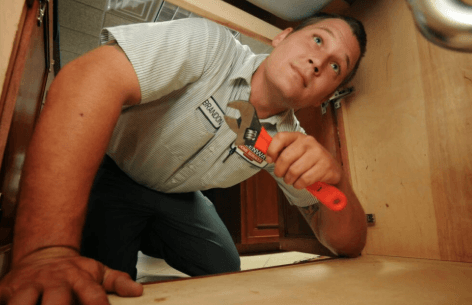
Maintaining plumbing health centers on regular care of pipes, fixtures, and drainage. A smart plan uses inspections, tests, and timely replacements based on material and usage. Daily routines include steady water flow, mineral-slowing habits, and routine cleaning to prevent blockages and corrosion. Warning signs—leaks, noises, low pressure, or a running toilet—signal when to call a professional. Safety starts with knowing shut-offs and emergency steps, but the best approach is planned upkeep that continuously pays off, yet invites careful scrutiny.
What Counts as Plumbing Health and Why It Matters
Plumbing health refers to the condition of a building’s piping, fixtures, and systems as they function to transport water, waste, and vent air. Plumbing health encompasses material integrity, proper drainage, correct venting, and leak control. Its importance lies in reliability, safety, and efficiency. Regular assessment identifies corrosion, blockages, and hidden leaks, enabling proactive maintenance, reduced costs, and sustainable water use.
Daily Habits to Protect Your Pipes and Fixtures
Daily habits play a crucial role in extending the life of pipes and fixtures by reducing stress, preventing clogs, and limiting leaks. This guidance emphasizes consistent cleaning routines and water heater care to minimize mineral buildup, corrosion, and pressure fluctuations. Adopting disciplined practices helps sustain flow, lowers emergency repairs, and preserves overall system efficiency for a freer, more reliable home.
See also: The Rise of Hyperconnected Societies
Smart Maintenance Schedule: When to Inspect, Test, and Replace
A smart maintenance schedule guides when to inspect, test, and replace key components, reducing unexpected failures and downtime. Regular assessments map critical lifespan, aligning actions with practical risk tolerance. Determine test intervals based on usage, material, and environment, then document results.
Prioritize proactive part replacements before failure, maintain records, and adjust timings as conditions evolve. This approach supports smart maintenance without unnecessary disruption.
Troubleshooting Signs You Need a Pro (and What to Explain)
When should a homeowner call a professional for plumbing issues? Signs appear as persistent leaks, unusual noises, reduced water pressure, or constant running toilets. A pro investigates leaks identification, diagnoses root cause, and prevents escalation.
Explain expected steps: diagnostics, safety checks, and remediation options. Emergency readiness matters; know when to shut off water and contact help for urgent repairs.
Conclusion
A proactive approach to plumbing health hinges on regular care, prudent Habits, and timely interventions. By keeping daily routines steady, monitoring performance, and adhering to a smart inspection schedule, homeowners can prevent costly damage and extend system life. When signs emerge, seek professional diagnostics promptly to avoid escalation. In the quiet rhythm of maintenance, resilience grows—like a well-tuned engine, small, consistent acts steer toward secure, lasting flow. (Metaphor: plumbing reliability as a quiet, resilient heartbeat.)