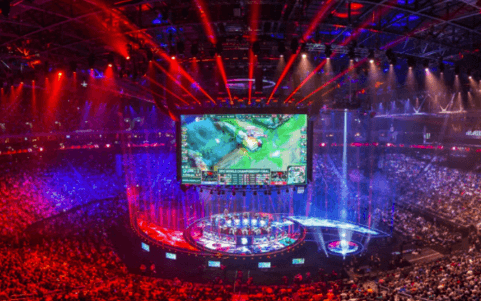
Esports has become a global, mainstream force, anchored by professional leagues, sponsorships, and large-scale viewership. Advances in technology, media distribution, and data analytics accelerate growth while narrowing latency gaps, though uneven access persists. Formal structures—talent pipelines, scholarships, and governing bodies—shape careers and governance. The ecosystem ties fans, brands, and communities into a regulated, vibrant market. The questions ahead concern sustainability, inclusivity, and how these elements will evolve under shifting platforms and policies.
What Esports Is Today: A Global, Mainstream Phenomenon
Esports has evolved into a globally connected, mainstream ecosystem, spanning professional leagues, major sponsorships, and mass-audience viewership across diverse platforms. Global governance structures coordinate cross border teams and sponsorship ethics, while hardware innovation and streaming platforms propel rapid data analytics, real-time feedback, and fan engagement models. Local tournaments and education pathways expand player welfare and opportunities, shaping a timely, freedom-promoting industry landscape.
The Forces Behind the Rise: Technology, Talent, and Media
The rise of esports is propelled by three interlocking forces: technology, talent, and media. Advancements in networks, devices, and software reduce latency and expand access, yet technology barriers persist for some regions and demographics.
Talent pipelines formalize through academies and grassroots programs, while media ecosystems amplify reach. Together, these elements sustain rapid growth, informing strategic investments and policy considerations across audiences seeking freedom.
How Esports Professionalizes: Leagues, Scholarships, and Careers
The professionalization of esports centers on formal structures that translate gaming skill into sustainable careers, anchored by organized leagues, scholarship pathways, and viable career trajectories beyond competition.
This framework enables standardized competition, transparent governance, and long-term planning.
Esports governance and player unions shape contracts, safety, and fair treatment, while institutions expand opportunities, diversify revenue, and clarify pathways from amateur participation to professional roles within the ecosystem.
Fans, Brands, and Community: The Ecosystem That Powers Growth
Audience engagement, sponsorship dynamics, and community structures collectively sustain esports growth by linking fans, brands, and players through measurable interactions, value exchange, and shared identity.
The ecosystem connects rights holders and platforms with audiences, shaping governance, rights management, and monetization.
Sponsorship ethics, transparency, and accountability influence trust, while data-driven partnerships reinforce legitimacy, ensuring sustainable expansion and inclusive participation across global communities.
See also: techcutmedia
Frequently Asked Questions
How Do Amateur Players Transition to Professional Esports Careers?
Amateur players typically navigate transition barriers by leveraging grassroots pathways, cultivating performance metrics, and securing visible team opportunities; strategic training and networking align with industry timelines, enabling professional prospects while maintaining autonomy and personal freedom within evolving, data-driven ecosystems.
What Are the Most Lucrative Esports Contracts and Sponsorships?
Most lucrative contracts and high value sponsorships dominate esports economics, with top players earning multimillion-dollar deals through teams, brand partnerships, and streaming platforms; analysts note variable structures, performance incentives, and longevity risk shaping overall financial trajectory for athletes.
How Do Regional Differences Shape Esports Popularity?
Regional differences shape esports popularity through regional infrastructure and streaming ecosystems, where cities become arenas and bandwidth becomes currency, allegorically mapping a restless river: currents of access, culture, and investment guiding teams toward diverse, timely success.
What Is the Environmental Impact of Large Esports Events?
The environmental impact of large esports events largely centers on energy use and waste generation, with professionals noting significant footprints from venues and travel. Sustainability initiatives include renewable energy, waste reduction, and responsible procurement to mitigate environmental footprint.
How Do Players Manage Burnout and Mental Health?
Players manage burnout and mental health through structured routines, rest periods, and professional support; burnout coping strategies emphasize boundaries and recovery. Mental resilience is developed via deliberate practice, monitoring stress signals, and evidence-based interventions, enabling sustained performance without sacrificing autonomy or wellbeing.
Conclusion
The esports landscape now stands as a global, mainstream ecosystem shaped by technology-driven access, specialized talent pipelines, and media-powered engagement. Leagues, scholarships, and professional pathways formalize careers while sponsors and communities fuel sustained growth. As data analytics and governance mature, profitability and legitimacy continue to rise. Can a synchronized collaboration among players, platforms, and policymakers sustain equitable expansion and enduring audience loyalty in an ever-evolving digital frontier? The trajectory remains robust, yet contingent on inclusive, well-regulated progress.